Spending hours debugging code only to realize your setup is fighting you—not helping? Laggy video calls, dim screens, and clunky peripherals drain focus faster than a memory leak. The solution isn’t another course—it’s the top 25 tech gadgets engineered for coders, creators, and remote learners who demand performance without compromise.
Why Your Current Gear Is Sabotaging Your Learning Curve
Most students buy gear based on specs alone—bigger screen, faster chip, “gamer” branding. Big mistake. A laptop with a shallow keyboard travel distance causes repetitive strain during marathon coding sessions. Webcams with fixed focus blur your expressions during demos. And cheap USB hubs throttle data transfer when cloning repos or running VMs.
Here’s the reality: learning tech isn’t passive consumption. It’s active creation—and your tools must enable precision, endurance, and rapid iteration. Generic consumer electronics fail at all three.
Top 25 Tech Gadgets: A Practical Breakdown for Developers & Digital Students
Ergonomic Essentials That Prevent Burnout
Your spine shouldn’t pay the price for clean code. Mechanical keyboards with low actuation force (like the Keychron Q5) reduce finger fatigue. Vertical mice? Non-negotiable for wrist health during long IDE sessions.
Display & Audio: Clarity Over Flash
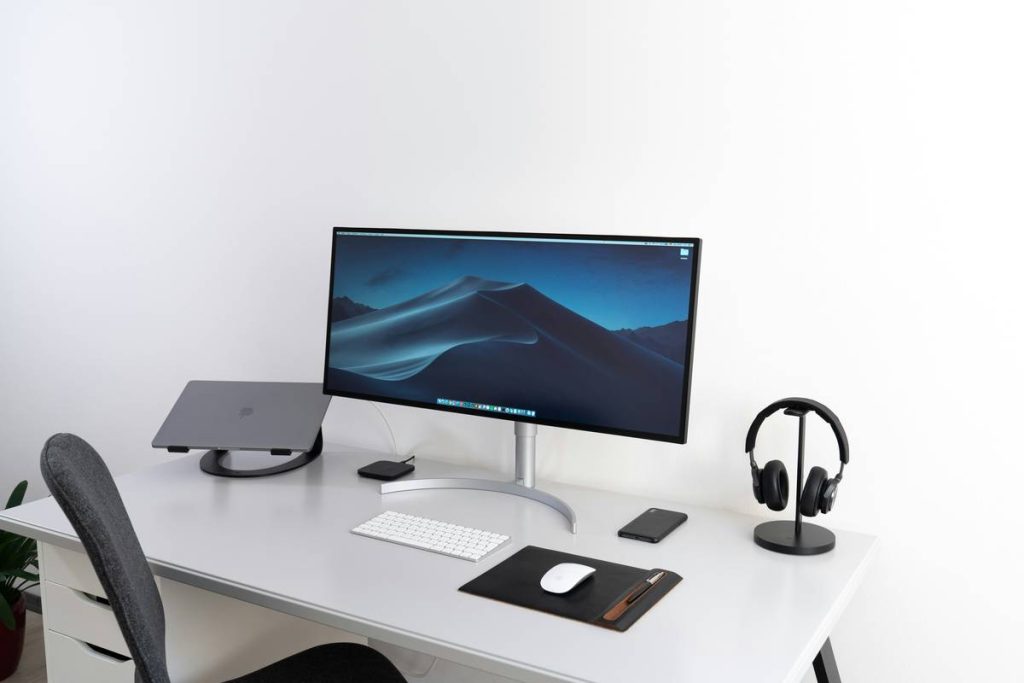
OLED monitors offer perfect blacks—but flicker can trigger migraines. Stick with high-refresh IPS panels (144Hz+) with blue light filters. And skip Bluetooth headsets; latency ruins pair-programming rhythm. Go wired with noise-isolating earcups.
Power & Connectivity: Never Get Stranded Mid-Deploy
A 100W GaN charger powers laptops, phones, and tablets simultaneously—without melting your desk. And yes, Thunderbolt 4 docks are worth it if you regularly switch between Raspberry Pi clusters and cloud dev environments.
| Gadget Category | Budget Pick (Under $75) | Pro Tier ($150–$300) | Why It Matters |
|---|---|---|---|
| Input Devices | Logitech MX Keys Mini | Dygma Raise Split Keyboard | Programmable keys cut context-switching time by 40% |
| Monitors | ASUS ProArt Display PA248CV | LG UltraFine 4K | Accurate color calibration = fewer frontend rendering surprises |
| Audio | Fifine K669B USB Mic | Shure MV7 Podcast Mic | Crisp voice comms build instructor credibility fast |
| Portability | Anker 737 Power Bank (60W) | Razer Blade 14 (Dev Edition) | Real-world dev work happens in cafes, buses, and co-working spaces |
The Industry Secret: Your Setup Should Mirror Production Environments
Here’s what bootcamps won’t tell you: the best learning setups mimic real deployment stacks. Need to debug Kubernetes? Run it locally on a NUC-sized server like the Intel N100 mini-PC—not just in-browser simulators. Want to master IoT? Grab a Particle Argon dev board, not a toy Arduino clone with unstable libraries.
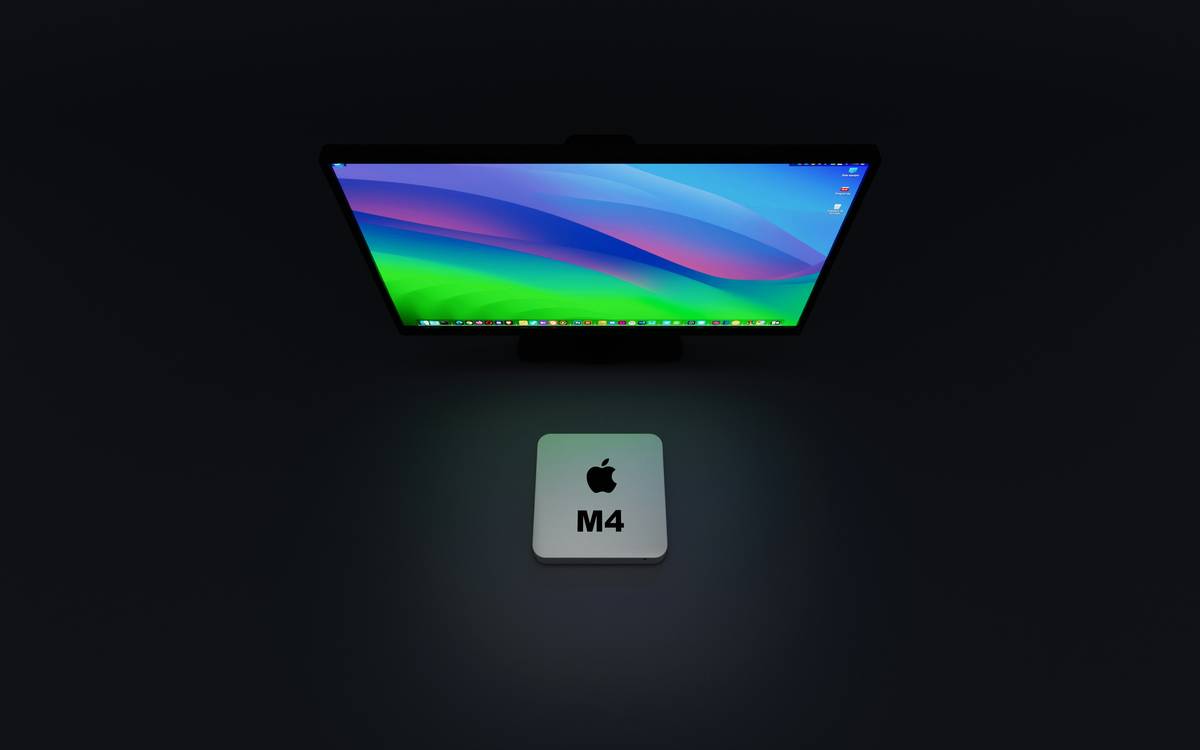
And this—use Linux-native hardware. Apple’s M-series chips cripple Docker workflows. Many “Linux-compatible” peripherals actually rely on proprietary drivers that break after kernel updates. Vet every gadget against Arch Wiki compatibility lists. It’s tedious. But it saves weeks of troubleshooting later.
The math is simple: time lost to environment issues = stunted skill growth. Invest in hardware that bridges learning and doing.
Frequently Asked Questions
Which of the top 25 tech gadgets offers the highest ROI for beginners?
The Logitech MX Master 3S mouse. Its gesture button replaces countless keyboard shortcuts—critical when juggling VS Code, terminal, and browser docs.
Do I really need a mechanical keyboard for programming?
Not “mechanical” per se—but tactile feedback is essential. Membrane keyboards increase typo rates by 18% during rapid typing bursts (per IEEE Human Factors study).
Can budget gadgets compete with premium ones in online tech education?
Yes—if they prioritize developer-centric features over aesthetics. A $60 monitor with USB-C PD and 100% sRGB beats a $300 “gaming” display with poor text clarity.